10 Micro-Influencer Agencies and Platforms Compared

Published Updated 13 min read
Running a micro-influencer campaign means coordinating a group of creators around your brand's goals. Someone has to find suitable accounts, agree on content and payment, manage delivery, and show what the work achieved. The right partner depends on how much of that work you want it to own.
This guide compares ten micro-influencer agencies and platforms for brands. It separates product seeding from broader campaign management and specialist work, with client evidence and published terms to help you choose who deserves a first call.
To be included, a firm's own pages had to show it offering or running micro or nano creator programs, through a service page, the way it selects creators or named micro work, and had to name at least one client. The pages were read on October 6, 2026. This is a shortlist, not a ranking of the market. Client figures are what each firm reports; an award, testimonial or case title shows a relationship or a piece of work without establishing a measured result.
DisclosureinBeat, one of the ten firms in this list, is part of Fieldtrip, a group of marketing agencies in which Jake Jorgovan is a partner.
Compare the buying models and published evidence
The groups move from product seeding to managed campaigns, then to specialists. They indicate a useful starting fit; services can overlap. PeersWay, for example, also offers gifting, while InfluBase offers discovery alone as well as full management.
| Firm | Published follower band | Buying model | Published proof | Published terms |
|---|---|---|---|---|
| Product-for-post seeding platforms with a managed option2 of 10 firms | ||||
| Stack Influence | Not stated | Product-for-post platform; managed campaigns | Curology: 9x Amazon monthly sales; no baseline or period on the listing | $30 per completed creator post on average; $0 monthly; product cost unstated |
| ApexDrop | Network spans 3,000–50,000+; average 10,000 followers per influencer per campaign | Managed seeding and gifting | Universal Standard and Russell Athletic testimonials; no client-specific result figure | Pricing page lists no prices |
| Managed agencies running micro and nano programs6 of 10 firms | ||||
| Cure Media | Micro: 10,000–100,000; nano: below 10,000 | Micro creators within mixed-tier programs | Philips seeding: nearly 1M earned reach, 99 publications, 64% publication rate; tier and period unstated | No fee published |
| inBeat | Micro: 4,000–20,000; nano: 1,000–10,000 | Creator sourcing, content and paid amplification | Prose index card: 45% ROAS increase, 20% lower CAC; no baseline or period; case page has no result figures | Creator approval before collaboration; no fee published |
| PeersWay | Micro: 10,000–50,000; nano: up to 10,000 | Managed campaigns built around nano creators; gifting also offered | Shoppers Drug Mart: 6.1M reach in September 2020; creator tier unstated | Four bundles from $2,750 for 5 influencers to $22,500 for 50; same numbers under CAD and USD; content review and shipping excluded |
| Socially Powerful | Micro: 10,000–100,000; nano: 1,000–10,000 | Managed campaigns and paid amplification | The Body Shop: 15% sales uplift in the Middle East; creator tier unstated | Nano campaigns start at $10,000–$20,000; KPI guarantee needs agreed terms |
| Starfish | Not stated | GCC creator campaigns | Bioderma: 220,000+ reach from a mixed macro and micro campaign | No fee published |
| InfluBase | Micro: 1,000–50,000 on Instagram | Discovery alone or full management | HiPP Organic named in its homepage Instagram feed; no result figure | Upfront reach and engagement guarantee; conditions unstated; no fee published |
| Specialists with documented micro work or a niche2 of 10 firms | ||||
| Collectively | Not stated | Broader brand programs with named micro awards | Dove: 1,047 creators in 2023, tier unstated; micro awards listed separately | No fee published |
| Zorka | Not stated | Gaming creator campaigns testing different tiers | Krafton: “×4 lower CPA”; gaming result, creator tier unspecified | Campaign tiers start at $20K+, $50K+ and $150K+ |
Product-for-post seeding platforms with a managed option
2 of 10 firmsStart here when product distribution and creator posts are the core purchase. Confirm the service fee separately from the products creators receive.
Stack Influence
Back to the comparisonStack Influence website, captured October 2026.
- Potential fit
- Ecommerce brands testing product seeding and creator content for marketplace growth
Curology reached 9x Amazon monthly sales through micro-influencer demand (opens in a new tab), according to Stack Influence. It also reports 35% lower cost per acquisition for AlterMe through micro-influencer whitelisting on Meta. The listing gives no baseline or measurement period for either figure. Those are distinct examples of marketplace sales and paid-ad performance.
Its micro-influencer promotions service (opens in a new tab) covers matching, posting briefs, product-based creator compensation and tracking. The same page says creators buy the product and are paid only once they post. The pricing page (opens in a new tab) advertises fully managed campaigns and an average fee of $30 per completed creator post, with $0 in monthly fees, in October 2026. The product's cost is not stated there. Ask for a total that includes the product allocation before comparing this with a cash-paid creator campaign.
ApexDrop
Back to the comparisonApexDrop website, captured October 2026.
- Potential fit
- Consumer brands seeking product discovery and a supply of creator content through gifting
ApexDrop publishes testimonials from Universal Standard, Russell Athletic and Foster Grant (opens in a new tab). These establish named client relationships; the page gives no client-specific result figure. Its success-stories page says results shown “are not typical and vary significantly,” and that “most clients see 1.5X-5X ROI; some see no positive return.” These are ApexDrop's own general claims, separate from the testimonials.
The firm describes its offer as managed product seeding with unpaid micro influencers. Its FAQ (opens in a new tab) puts the network at 3,000 to 50,000+ followers, averaging 10,000 per influencer per campaign on Instagram or TikTok. These figures describe the mix of creators in its network.
The FAQ also says creators are never required to post about products they do not like. Settle how the proposed scope handles products that generate no post. The Pricing page (opens in a new tab) read in October 2026 lists no prices; request the management charge, product and shipping costs, and expected deliverables together.
Managed agencies running micro and nano programs
6 of 10 firmsThese firms offer campaign management around smaller creators. Compare their responsibility for strategy, creator selection, content approvals and measurement, including any larger creators in the plan.
Cure Media
Back to the comparisonCure Media website, captured October 2026.
- Potential fit
- Consumer brands including micro creators in an ongoing, mixed-tier program
Cure Media's Philips OneUp seeding case (opens in a new tab) reports nearly a million in earned reach from 99 publications, a 64% publication rate, across Sweden, Norway and Finland. The case names no creator tier or campaign dates. Its case index (opens in a new tab) also lists work for Intersport, La Roche Posay and Kronans Apotek.
Its micro-influencer service explicitly places smaller creators within programs that also use mid-tier and macro accounts. Cure Media defines micro as 10,000 to 100,000 followers and describes selecting creators for content performance, audience quality and brand fit. Its broader service (opens in a new tab) covers strategy, creator and content approvals across markets, and measurement of paid and organic work.
This is a first-call option when the brief needs several creator tiers working together. Ask for the role and budget allocated to micro creators within that plan. No fee is published on the service and case pages read in October 2026.
inBeat
Back to the comparisonPart of Fieldtrip, in which the author is a partner
- Potential fit
- Brands combining micro-influencer content with paid creative testing
inBeat reports a 45% increase in return on ad spend and 20% lower customer acquisition cost for Prose (opens in a new tab), attributing the work to a scalable micro-influencer creative program. The card gives no baseline or measurement period for these changes. The separate Prose case page (opens in a new tab) describes recruiting micro influencers to produce weekly assets but gives no result figures.
Its micro-influencer service covers discovery, negotiation, payments, agreements and strategy, plus paid amplification through creator accounts. Brands can approve or reject creators before collaboration. The page defines micro as 4,000 to 20,000 followers; the separate nano service (opens in a new tab) covers creators with 1,000 to 10,000 followers and addresses gifting, paid compensation, approvals and usage rights.
No fee is published on the micro, nano or case-index pages read in October 2026. For a first call, decide whether you need creators to reach their own audiences, produce assets for your ads, or both. Ask inBeat to scope those deliverables separately.
PeersWay
Back to the comparisonPeersWay website, captured October 2026.
- Potential fit
- Brands wanting a defined bundle of managed creator posts
For Shoppers Drug Mart, PeersWay reports 6.1M total reach and 161k engagements (opens in a new tab) from a September 2020 campaign involving 150 influencers. The case does not name their follower tier. It is a dated example of delivery at scale for a firm whose service is built around nano creators.
The company offers managed campaigns in Canada, the US and the UK. Its four published plans (opens in a new tab) list Starter at $2,750 for five influencers, Basic at $5,250 for ten, Advanced at $10,000 for twenty and Premium at $22,500 for fifty in October 2026. The separate CAD and USD options display identical numbers.
Each influencer supplies one Reel and one Story. All plans include a campaign manager, influencer compensation and monthly reports. Content review, store visits, product giveaways and shipping are excluded. The page states no subscription, contract, setup or activation fee, and also offers product seeding as an alternative. Confirm the currency and content-review scope in your quote, especially if your brand needs approval before publication.
Socially Powerful
Back to the comparisonSocially Powerful website, captured October 2026.
- Potential fit
- Brands coordinating larger groups of nano creators with paid amplification
The Body Shop's Middle East campaign generated a 15% sales uplift and 30M impressions, according to Socially Powerful's influencer-marketing service page. The example does not identify the creators as micro or nano. Its nano campaign service (opens in a new tab) describes managing groups of 50, 100 or more creators, from vetting and briefing through approvals, payment and reporting.
The nano page read in October 2026 estimates four to eight weeks from strategy development to the final report. It puts campaign starting costs at $10,000 to $20,000, depending on creator volume, content complexity and duration. Its creator-payment figures conflict: one answer gives $50–$250 per paid post and another $20–$250. Have the firm resolve that difference in the proposed budget.
The main service page also says clients do not pay if the firm misses agreed KPIs. Beyond agreement on those KPIs, the service pages do not state the measurement period, exclusions or payment remedy mechanics. Put those terms in the agreement before treating the promise as financial protection.
Starfish
Back to the comparisonStarfish website, captured October 2026.
- Potential fit
- Brands planning creator campaigns in the GCC
In its homepage case for Bioderma, Starfish reports 220,000+ reach, 429,000+ views and 9.10% engagement. The case describes six female creators in the UAE, using both macro and micro accounts for skincare Reels and Stories. The figures cover that combined campaign; the micro contribution is not separated.
The firm positions itself as a micro-influencer marketing agency for the GCC, with offices in Dubai and Riyadh. Its services include creator selection, content distribution and analytics. That regional focus makes it a candidate when local creator fit is central to the brief. Request a proposed mix by country and follower band, using Bioderma as the starting example. No fee or numeric follower definition appears on the homepage read in October 2026.
InfluBase
Back to the comparisonInfluBase website, captured October 2026.
- Potential fit
- Brands choosing between creator discovery alone and campaign management
InfluBase names HiPP Organic as a client in the Instagram feed embedded on its homepage, including a caption about the HiPP Twists campaign. The pages read contain no result figure for that work, so ask for the campaign's results on a first call.
The London firm defines micro as 1,000 to 50,000 Instagram followers. Its FAQ (opens in a new tab) offers discovery alone or discovery, campaign management and measurement together. It also says reach and engagement can be guaranteed upfront, without publishing conditions or a remedy. No fee is published on the homepage or FAQ read in October 2026. Also request a written definition of what the guarantee covers before choosing the service scope.
Specialists with documented micro work or a niche
2 of 10 firmsConsider these firms when a broader brand program or the demands of gaming shape the purchase. Their named examples need a separate discussion of which creator tiers produced the results.
Collectively
Back to the comparisonCollectively website, captured October 2026.
- Potential fit
- Larger brand programs that need a micro-creator component
Collectively's Dove case (opens in a new tab) reports 1,047 creators across 44 campaigns in 2023, generating 1.9B impressions and 44.6M engagements. Those figures describe the whole program; the case does not name a follower tier.
Its specific micro credentials come from its own awards list (opens in a new tab): a 2023 Shorty Awards win for Best Micro Influencer Strategy for Dove US Influencer Community, and 2025 Global Influencer Marketing Awards gold for Most Effective Micro-Influencer Strategy for TRESemmé New York Fashion Week. Collectively lists these as awards; they do not establish independently verified campaign outcomes.
The firm offers ongoing creator partnerships, enterprise marketing strategy, creative and reporting. Ask it to show how a micro program would fit that broader relationship, with a comparable brief and a defined team. No fee is published on the homepage or work index read in October 2026.
Zorka website, captured October 2026.
- Potential fit
- Game publishers testing creator campaigns against player-acquisition goals
Zorka reports “×4 lower CPA” for Krafton's PUBG work and a $25 average cost per thousand impressions for Scopely. Its service page and case index (opens in a new tab) present these as gaming results, without identifying them as micro-influencer outcomes.
The service covers mobile, PC and console games, from creator sourcing and briefs to contracts, usage rights, payments and measurement. Its creator-selection FAQ says micro and mid-tier creators frequently beat larger channels on cost per install. That is Zorka's own claim about its approach, not a benchmark for every gaming campaign. It says campaigns test a mix of tiers and expand the creators that meet the chosen KPI.
The page lists campaign tiers starting at $20K+, $50K+ and $150K+ in October 2026, with progressively broader strategy and creative work. Zorka calls these starting points. Request a proposal for the specific game, launch window and creator mix; they are not published micro-only packages.
What should a micro-influencer agency handle?
Use the scope of work to establish who owns each part of delivery. The services described above cover these functions in different combinations:
- Audience research and campaign strategy.
- Creator discovery, matching and vetting.
- Outreach, negotiation and ongoing communication.
- Briefs, content coordination and campaign management.
- Creator payments, product distribution and logistics.
- Performance tracking and reporting.
Choose the level of service you need: a bespoke managed campaign, access to a platform to source creators, or a one-off sponsored post with a defined objective. A platform can include management, as Stack Influence does. A managed firm can offer discovery alone, as InfluBase does. Specify the responsibilities you are buying instead of relying on the label.
If your main need is content for your own advertising, compare the scope with UGC production services. If you need a program spanning larger creator tiers too, the broader influencer marketing comparison addresses that next decision.
What counts as micro, and what should the fee cover?
The firms use different follower bands. inBeat defines micro as 4,000–20,000 followers, PeersWay as 10,000–50,000, and Cure Media and Socially Powerful as 10,000–100,000. InfluBase's Instagram definition starts at 1,000. Ask each firm to state its band and the proposed account mix before comparing its client results. For the tiers in plain terms, see what a micro-influencer is.
Product-for-post describes how creators are compensated. It does not establish that the service fee depends on sales or that the brand has no other costs. Stack Influence's per-post charge, PeersWay's influencer bundles and Zorka's campaign starting prices buy different amounts of work. They cannot be combined into a useful market price range.
Use these questions to make proposals comparable:
- Deliverables: How many creators and posts are committed, on which platforms, and what happens if a creator declines or misses delivery?
- Approval: Who approves the creator list and content, how many revisions are included, and when must our team respond?
- Total cost: What are the service fee, creator compensation, products, shipping, paid media, licensing and taxes, in which currency and due when?
- Rights: Where may we reuse the content, for how long, and can we advertise through the creator's account?
- Measurement: Which result determines success, what is the baseline, and how will paid and organic contributions be reported?
- Guarantee: Which agreed KPI triggers the promise, over what period, with what exclusions and what payment adjustment?
Test one firm before expanding the program
My view of marketing channels is to validate what works before building a system around it. As I said on Working Without Pants in 2021, “most companies that are successful have one or two marketing channels that work really, really well for them.” My advice was to “find or validate a channel first, and then really build a system around that and scale it.”
Applied to a creator program, I'd give one firm a small, dated test before committing to a larger engagement.
Define the purchase and the result
Choose one audience, offer and principal outcome. For a sales campaign, define how purchases will be attributed. For content production, define what makes an asset usable and how you will test it in ads.
Agree on a bounded pilot
Set the creator band, deliverables, approval responsibilities and total budget. Put a start date, delivery date and review date in the agreement, allowing time to observe the outcome you selected.
Decide what earns more budget
Compare the delivered work and measured result with the agreed objective. Expand the parts that justify further investment, change the brief where the evidence points to a fix, or stop before buying more of the same.
Sources and method
How this list was made
To be included, a firm's own pages had to show it offering or running micro or nano creator programs, through a service page, the way it selects creators or named micro work, and had to name at least one client. The pages were read on October 6, 2026. This is a shortlist, not a ranking of the market. Client figures are what each firm reports; an award, testimonial or case title shows a relationship or a piece of work without establishing a measured result.
Company pages captured October 6, 2026; saved evidence read for this comparison
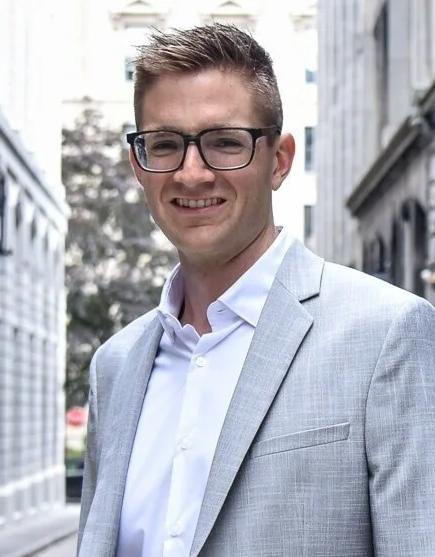
Jake Jorgovan
Jake works with enterprise leaders on marketing strategy and executive talent. He co-founded Alpha Apex Group, founded Content Allies, owns Listen Network and is a partner in Fieldtrip, a group of marketing agencies. He founded Lead Cookie and later sold it.
Related creator-marketing guides
UGC agencies compared: 16 firms, prices and proof
Paid media & creators
Influencer Marketing Agencies: 20 Firms Compared
Paid media & creators
What is a micro-influencer? Definition, uses and costs
Paid media & creators